Marie Garnier
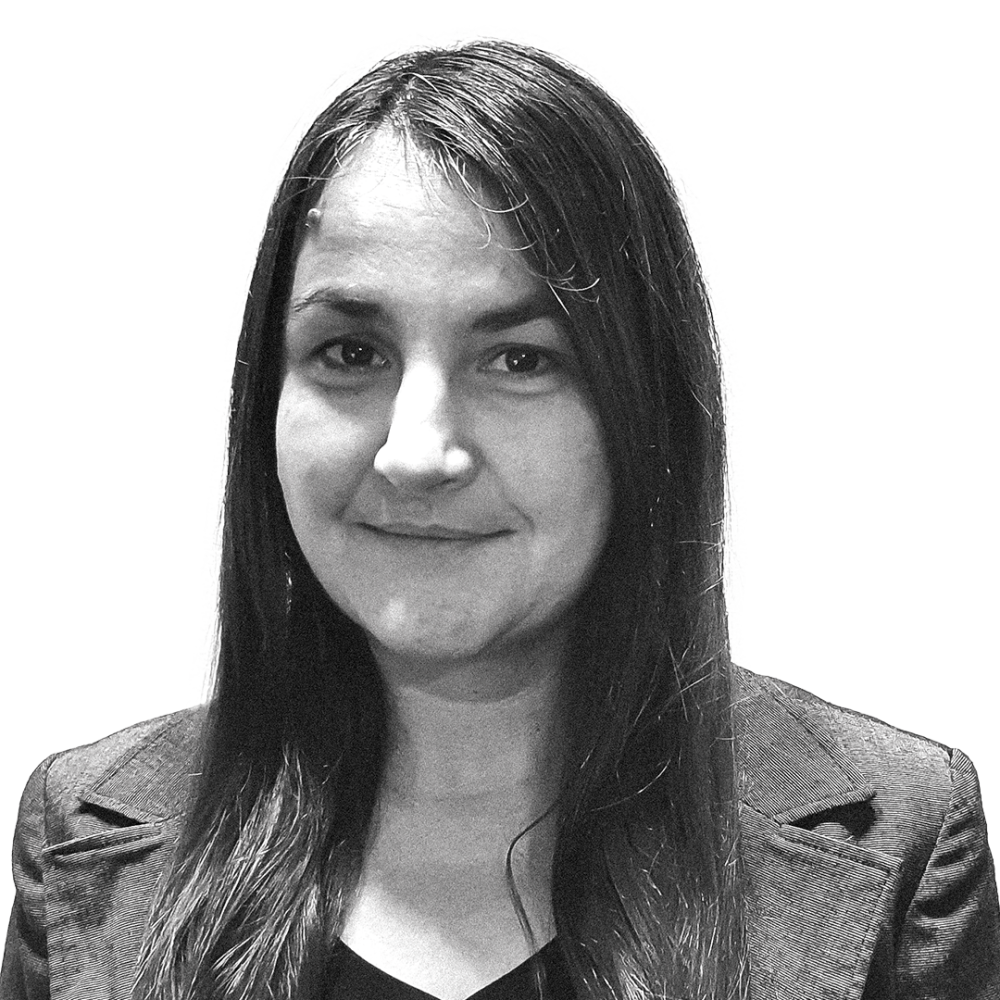
Dialagoun Ada Okulu Koordinatörü, Öğretmen
Antropoloji eğitimi alan Marie Garnier, eğitime ve küçük çocukları anlamaya karşı derin bir tutku geliştirdi. Hem bilimsel hem de pedagojik açıdan sahip olduğu bu ikili duyarlılık, onu doğal olarak öğretmenliğe yönlendirdi. Mesleğini en küçük öğrencilerle günlük temaslar kurarak öğrendiği okul öncesi eğitiminde başladı. Burada, her çocuğun kendi hızında ilerlediğine ve benzersizliğine saygı duyan bir rehberliği hak ettiğine inanarak, sınıf yönetimi, yapılandırılmış öğrenme atölyelerinin uygulanması ve öğretimin bireyselleştirilmesi konularında güçlü bir uzmanlık geliştirdi.
Beş yıl boyunca okul öncesi koordinatörlüğü görevini de üstlendi; burada pedagojik organizasyonu denetledi, öğretim ekiplerini destekledi ve eğitim uygulamalarının tutarlılığını güçlendirdi. Daha sonra yolu onu, ilkokul seviyesinde ders verdiği Bamako Fransız Okulu'na ve daha sonra, okul öncesinden 12. sınıfa kadar Fransızca öğrettiği ve öğrencilerin sınavlara hazırlanmalarına destek olduğu Amerikan Okulu'na götürdü.
Marie Garnier, sınıf çalışmalarına paralel olarak 2017 yılında proje koordinatörü oldu. Malili bir balıkçı etnik grubuna mensup Bozo çocuklarının büyük ölçüde okuldan dışlandığını gözlemledikten sonra, bir adada nehir kıyısındaki ve ada topluluklarındaki çocuklara erişilebilir eğitim sunan bir devlet okulu kurmak için bir dernek kurdu. Orada, resmi müfredat becerilerinin yerel kültüre dayanan ve öğrencilerin kimliklerine değer veren uygulamalı etkinliklerle öğretildiği anlamlı bir okul vizyonunu destekledi.
Son olarak, birçok çocuğun yaşamlarında ve kültürlerinde önemli bir rol oynamasına rağmen nehir hakkında çok az bilgisi olduğunu fark ederek, nehirlerin önemini vurgulamayı ve bölge, kültür ve öğrenme arasındaki bağı güçlendirmeyi amaçlayan, nehirlere odaklanan eğitici oyunlar geliştirmeye başladı.